What Are QR Codes Really Doing When You Scan Them?
QR codes are everywhere, but they might be hiding more than just URLs.
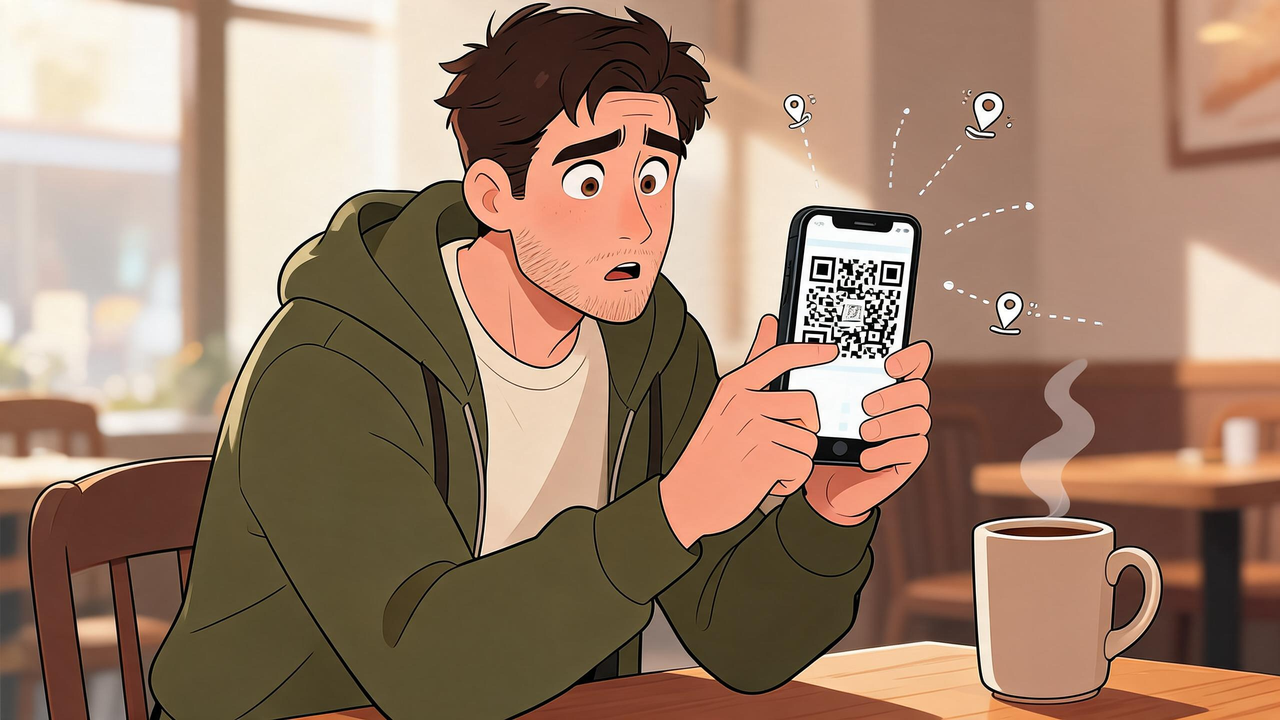
QR codes can quietly track your online and offline movements. At their core, these codes are just another way to transport data—in this case, often a URL. But when you scan a QR code, it might not just take you to a website. It can carry hidden tracking parameters that log your browsing habits and even your physical location.
How Do QR Codes Track You?
When you scan a QR code, it usually directs your smartphone's browser to a specific website. What you might not realize is that these codes can include tracking data. This data might be used to monitor which pages you're visiting and how long you stay on each one. This is similar to how cookies work on a website, but far less visible. So, scanning a QR code in a restaurant or on a flyer might leave a data trail about where you've been and what you've looked at.
What Is Quishing?
Enter the trickery of quishing—where scammers place fake QR codes over real ones. Imagine walking up to a parking meter and scanning a QR code to pay. If that code has been tampered with, you'll end up on a fraudulent site, leaving your payment details in the hands of a scammer. The ease with which a simple sticker can hijack a legitimate transaction is what makes quishing so effective and insidious.
Why Do We Fall for It?
Our brains are wired for convenience and efficiency. QR codes promise just that—one quick scan and you're set. But this reflex to trust and scan can lead to trouble. The very act of scanning feels so simple and innocuous that we rarely question it. We need to slow down and become aware of our instinctive behaviors to protect ourselves.
How Can You Stay Safe?
Staying safe doesn't mean avoiding QR codes entirely. Consider using a dedicated QR code scanning app that checks the URL before you proceed. Always scrutinize the physical code itself—look for signs of tampering, like a sticker over the original code. If you're unsure about a QR code's origin, it's safer to type the URL manually. These small habits can shield you from potential scams and unwanted tracking. And when you need a code you can actually trust, generate your own with a tool like our free QR code generator, which encodes your link directly and points nowhere else.
The Role of Awareness
Awareness is your best defense. By understanding that QR codes can hide more than meets the eye, you can become more discerning about when and where you scan. This way, you reduce the chances of your sensitive information ending up in the wrong hands.
QR codes have become part of our daily lives, effortlessly connecting the physical world with the digital. But like every tool, they can be misused. By adjusting our habits, we can take advantage of their convenience without sacrificing our security.
What did we learn?
- →Scanning a QR code can allow it to track your browsing and location, as it may carry hidden tracking parameters.
- →Fake QR codes, or 'quishing', involve scammers covering real codes with fake ones to redirect you to malicious sites.
- →Our natural impulse to scan QR codes without checking exposes us to risks; always double-check for anything suspicious.
- →Adopting habits like using dedicated QR code scanning apps can help verify the destination before visiting a link.
Sources & further reading
- 1.Cybersecurity and Infrastructure Security Agency — provides guidance on QR code security
- 2.Federal Trade Commission — offers resources on avoiding scams
- 3.Symantec Threat Report — analyzes digital threats including QR code scams
Get one fascinating idea every week.
No spam. Just things worth knowing.