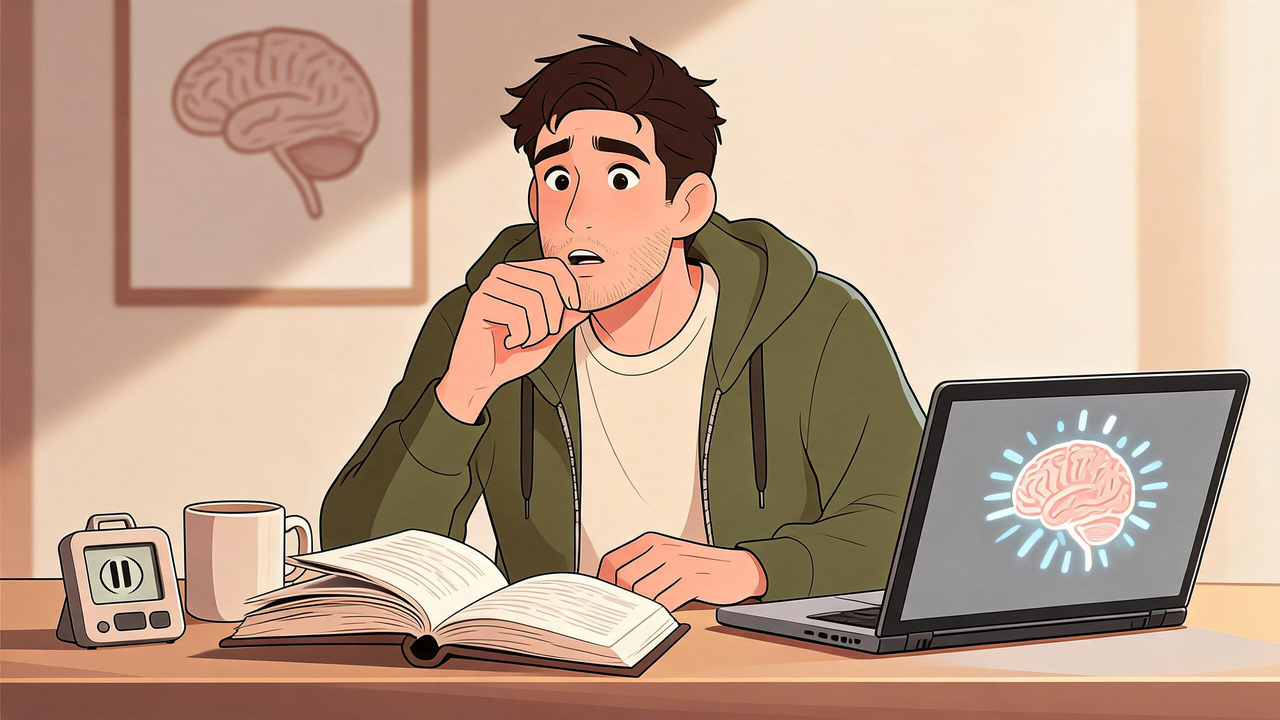
Why Insults Stick With Us Longer Than Compliments
The psychology behind our mind's stubborn focus on negative feedback.

You’re at a dinner party. Someone compliments your outfit, says you look great. You feel good for a moment, but then someone else mentions your unusual laugh. Suddenly, that becomes all you can think about. It's the drive home, the next morning, even popping into your mind days later. Why is it that insults dig into our psyche while compliments slip away like water?
The Survival Instinct
Our brains are like old computers running on prehistoric software. Back in the Stone Age, the brain's primary job was to keep us alive. Spotting a threat — like a predator or a rival — could be a matter of life or death. Our ancestors who were more attuned to dangers survived to pass on their genes. This is the root of what's known as negativity bias.
Negativity bias means our brains are wired to give more attention to negative experiences. Think about it: if you see a rustling in the bushes, it could be the wind or a lion. Early humans who assumed it was the latter and reacted accordingly lived to tell the tale — and eventually, we inherited this cautious brain.
The Power of Threats
In today's world, threats aren’t usually life or death, but our brain doesn't differentiate. An insult feels like a threat to our social standing, which for social creatures like us, is a big deal. Social rejection in ancient times meant losing support from the group, which could be as dangerous as facing a wild animal.
An insult can attack our sense of identity or belonging. It stings, digs deep, and sticks around. Compliments, on the other hand, simply affirm what we already know, often slipping past without a trace. They don't signal a need for urgent action, so they don't linger as vividly.
Why Compliments Fade
Compliments are nice, but they don't have the same urgency in survival terms. When someone tells you they love your new haircut, it feels good but doesn’t require a response that contributes to survival in the same way an insult might. Positive feedback is less likely to trigger the same intense scrutiny.
Our brain's default mode is to protect and alert. It’s a loyal watchdog, always scanning for potential danger. This vigilance means negative events often become stickier memory-wise because they demand more attention.
The Cost of Negativity
Our minds can become somewhat of a negative tape recorder, replaying insults over and over. This constant replay can shape our self-esteem and even our mental health. The more we focus on what's wrong, the harder it becomes to appreciate what's right.
Being aware of this bias can shift our perspective. With practice, we can work to consciously store positive memories and challenge the automatic dominance of negative ones. It takes effort, like training a muscle, but it’s possible.
Rewiring Attention
To balance the scales, try giving compliments the spotlight they deserve. Next time someone praises you, pause. Savor it. Write it down. Reflect on it before bed. Doing this can help these positive moments leave a lasting imprint.
With awareness, we can train ourselves to linger less on the negatives and stretch those fleeting moments of kindness into something enduring. It might not be evolutionary hardwiring, but it's a choice we can make today.
Life, modern as it is, continues to benefit from ancient instincts. Yet understanding how these instincts influence our thinking helps in navigating today's complex social world. It's not about erasing the sting of insults, but about embracing and celebrating every compliment, making them stick just as much.
What did we learn?
- →Our brains have a built-in negativity bias that makes negative feedback more memorable than positive feedback.
- →This bias is an evolutionary survival mechanism, as recognizing threats could mean the difference between life and death.
- →Being aware of negativity bias can help us manage our reactions to criticism and focus more on positive experiences.
Get one fascinating idea every week.
No spam. Just things worth knowing.